
Eric Kandel takes an audacious leap in Reductionism in Art and Brain Science, connecting two worlds that seem worlds apart but are, in fact, intertwined at their core. This is a book that asks big, ambitious questions: How do the intricate workings of our brain shape the way we perceive art, and how does art, in turn, reflect the essence of human thought?
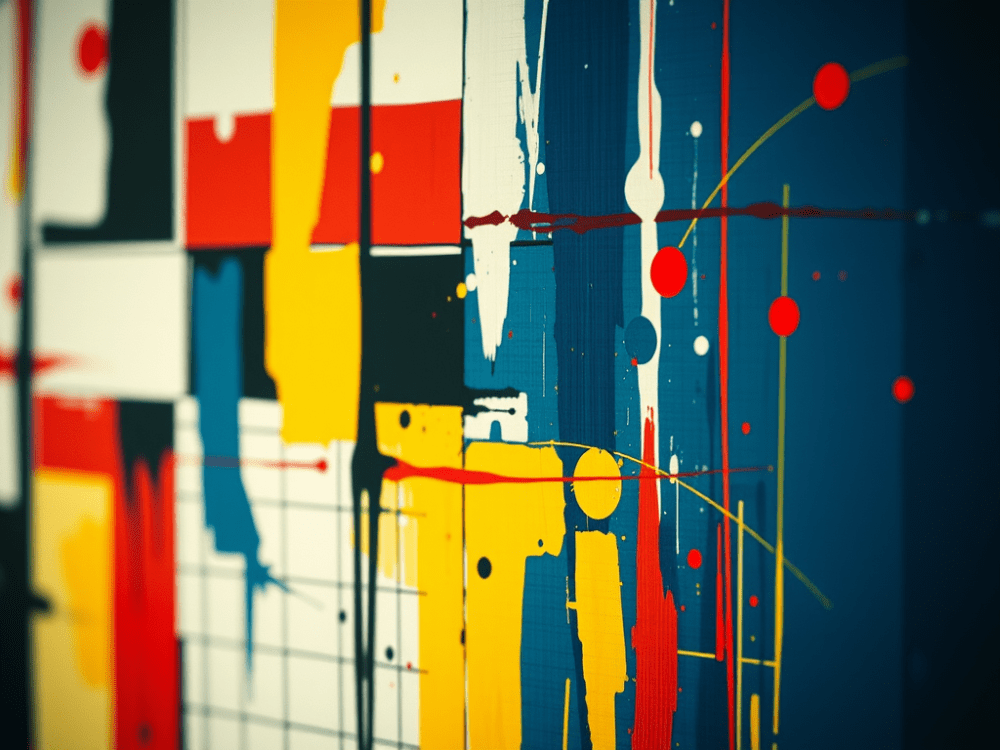
Kandel’s approach is deeply interdisciplinary, bridging the gap between neuroscience and modern art with remarkable precision. He explores how reductionism (the act of breaking down complex phenomena into simpler components) applies not only to scientific inquiry but also to the creative process. Through the lens of abstract art, he examines how artists like Mondrian and Pollock reduced visual elements to their barest forms, challenging the brain to make sense of what it sees.
What I loved most is how Kandel connects the scientific and the emotional without diluting either. The neuroscience sections are detailed without being alienating, and his exploration of modern art is vivid and engaging, even for those who might not typically gravitate toward it. He doesn’t just explain the science behind how we see; he also dives into why we feel.
That said, this isn’t a light read. It’s as much a textbook as it is a thought experiment, and there are moments where Kandel’s prose leans a bit too heavily into scientific jargon. But if you’re willing to wade through the denser passages, the payoff is extraordinary. He builds a compelling case for why understanding the brain is essential to understanding art… and, by extension, humanity itself.
What stays with you after reading Reductionism in Art and Brain Science is the sheer beauty of its premise: that art and science are not opposites but reflections of the same human drive to uncover meaning. Kandel’s book is a testament to the power of cross-disciplinary thinking, showing how the tools of one field can illuminate the mysteries of another.
For anyone fascinated by the intersection of science, art, and philosophy, this is a book that demands your attention. It’s not just an intellectual exercise, it’s an invitation to see the world (and yourself) in a profoundly different way.
 A Tempest Storm